
Tracing Former Norfolk City Property Owners
Norfolk's grantor-grantee index anchors most deed-chain work. Its remote inventory lists deeds and land records from 1784. The Clerk separately reports images reaching back to 1682. That older image date does not mean every early name is searchable online. When the chain crosses the indexed era, ask the Clerk or the Library of Virginia. Ask them about deed books, microfilm, and older indexes. Newspapers and city directories can suggest names and dates. Only the recorded deed or a fiduciary order confirms the transfer.
| Source | Years It Covers | Where Held | What It Shows |
|---|---|---|---|
| Norfolk Circuit Court SRA inventory | Published deed coverage begins in 1784 | Remote subscription or courthouse terminals | Recorded deeds and referenced parties |
| Image-import project | Clerk says images date to 1682 | Confirm indexing and access with clerk | Potentially earlier land-record images |
| Recorded plats | Dates vary by instrument | Circuit Court land records | Lots, blocks, easements, and subdivision clues |
| Local-history archives | Nearly 200 years of newspaper microfilm | Sargeant Memorial Collection | Context, names, street changes, and leads |
Recent transfers are easiest. Begin with the latest deed and work backward name by name. Before 1784, the picture changes. Confirm whether the index or the image exists for that period. Also confirm where it can be opened. A street may have changed names. Or a parcel may sit under an older locality label. Annexation maps and plats sort out those older boundaries. Use a newspaper or directory to sharpen a name or date. But return to the legal instrument before calling anyone a former owner.
Norfolk Deed Images Reach Beyond the Index
Two dates govern Norfolk deed research. The clerk's public inventory lists deeds from 1784, while the digitization notice describes images back to 1682. An image can exist without matching index depth. An index result may also miss older spelling variants. Ask the Clerk which book and name index applies before claiming an earliest owner. The City reports no documented courthouse loss covering a defined deed period, so treat any fire story with doubt when a search comes up empty.
Remote access runs through Virginia COVERS/SRA. Norfolk lists a $600 annual or $50 monthly subscription for covered land-record categories. Public courthouse terminals and the copy center offer alternatives. The online form is dynamic. If an early name search fails, gather the deed date, the prior locality label, and any book reference. Take those details to the Clerk or the Library of Virginia and ask about the original index or microfilm.
The Norfolk deeds page describes the image-import project.
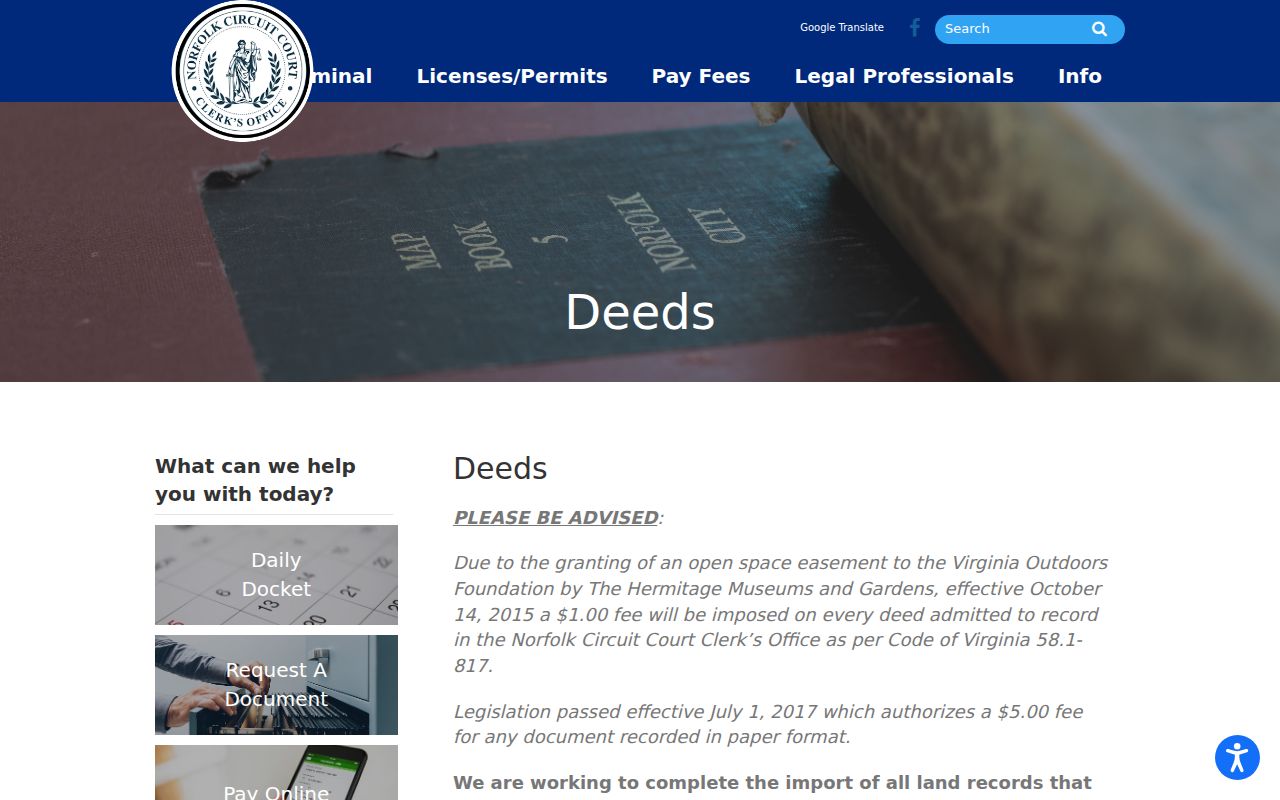
Use the image date as a lead, then verify the indexing path for the Norfolk deed year you need.
Norfolk Probate Records Explain a Name Change
Estates break a deed chain that looks like plain sales. Death changes who holds title. Norfolk's Circuit Court Clerk lists wills and fiduciaries from 1894 in the remote inventory. A will names a devisee. The transfer itself shows up in an executor's deed. It may be a commissioner deed instead. Some arrive as a court order. Others are a recorded distribution. A grantee search can stall. Try the decedent instead. The executor or administrator is another angle. The estate name works too. One of those angles usually explains the new owner of record.
Death certificates follow different rules. Virginia vital-record law governs them, not ordinary FOIA access. Current certificates go only to qualified requesters. The statutory public period for death records opens after 25 years. A newspaper notice or obituary can pin down a person or date. But it proves nothing about title. Use it as a lead to the Norfolk fiduciary file and the recorded land instrument. Then check the legal description against the parcel.
The Virginia Department of Health Vital Records office explains eligibility and application routes for certificates. Those records can help build an estate timeline.
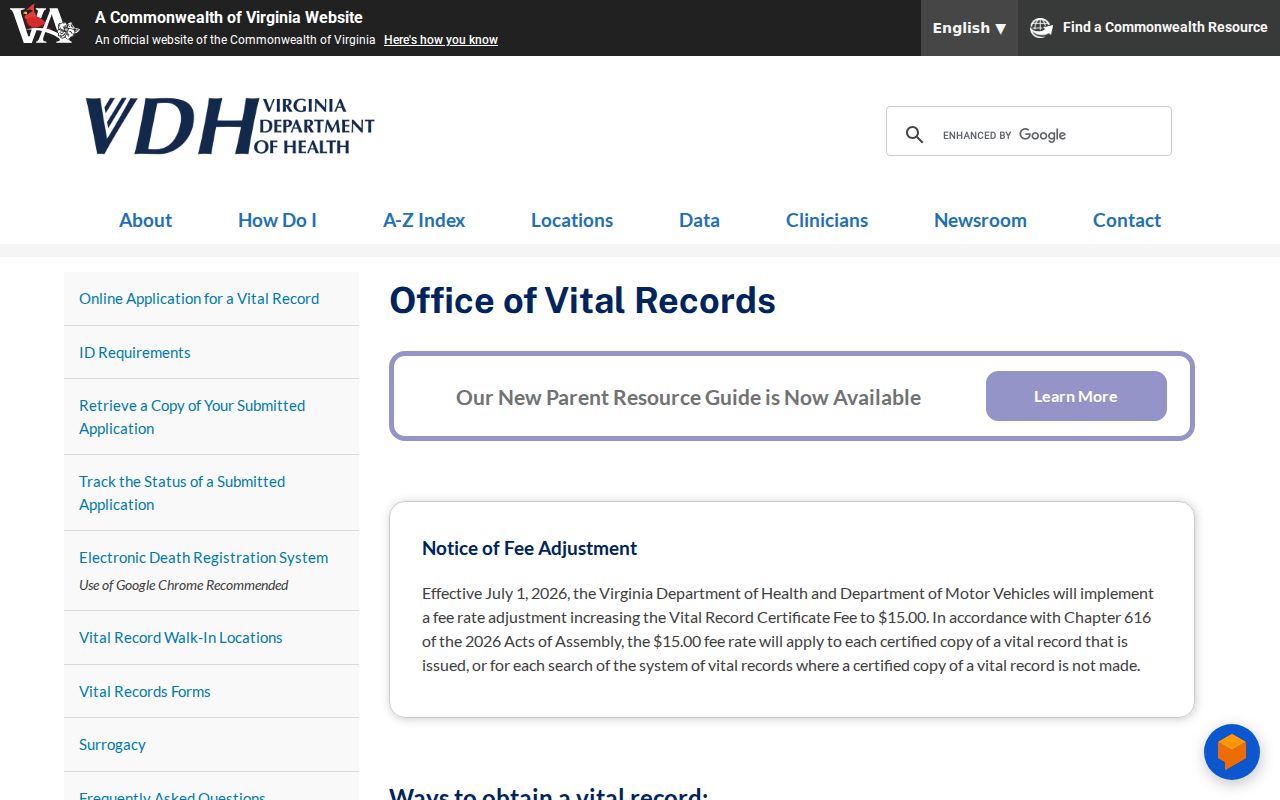
Vital records support identity research. Still, only a recorded deed or court instrument establishes the parcel's title history.
Norfolk Annexation Maps Lead to Older Names
Norfolk's boundaries moved many times. The City's map set covers annexations in 1890, 1902, 1906, 1911, 1923, 1955, and 1959, plus a 1988 acquisition. A modern parcel's deed may still describe the land as Norfolk County or Princess Anne County. The land did not move. Only the label changed. Check the historic map to learn which locality and custodian an earlier record falls under.
Street names add another clue. Hampton Boulevard was once Atlantic Boulevard. The 1890 Atlantic City expansion included the Norfolk Company's 250-acre subdivision and Mowbray Arch. Near the Lafayette River, the 1902 street-naming theme drew on colonial names. A plat can preserve an old subdivision name the current address has forgotten. Search both the alias and the modern street. Then confirm each match by lot description and recorded reference.
Norfolk's annexation map collection shows the relevant boundary periods.
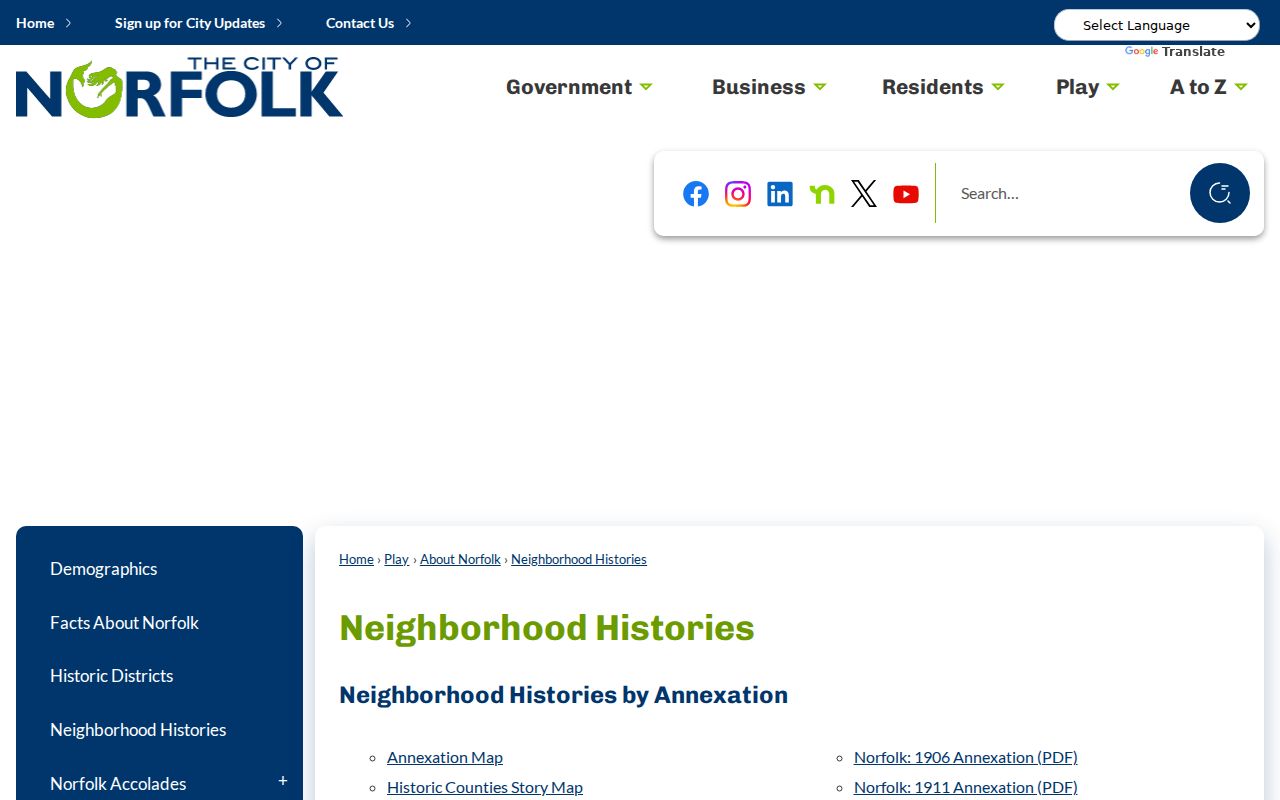
Use a place-name change to widen the Norfolk property search, then return to the deed or plat for proof.
Walking a Norfolk Deed Chain in Reverse
Work from the newest Norfolk deed backward. Each instrument you identify turns the earlier grantor into your next grantee. The clerk's index runs on names. So copy spellings, initials, entity names, book-and-page references, and instrument dates exactly as written. Then check the legal description. A matching name can still point to a different Norfolk parcel. Keep a chain table with one line per instrument. That way, anyone reading it later can follow why the links connect.
- Locate the present deed for the parcel, then record its grantee, grantor, date, and legal description.
- Search the grantor as grantee to find the instrument that conveyed the parcel to that party.
- Compare lot, block, subdivision, or metes-and-bounds language before adding the next link.
- Repeat until the index or deed book no longer provides a verified earlier conveyance.
- Grantor
- The person or entity that conveyed the property interest.
- Grantee
- The person or entity receiving that interest.
- Chain of title
- The ordered set of recorded instruments linking ownership transfers.
- Legal description
- The parcel description used to check that each deed concerns the same land.
Slover Library Adds Human Context to Norfolk History
Names alone rarely tell the whole story of a Norfolk property. The Sargeant Memorial Collection at Slover Library holds city directories, regional genealogy books, maps, photographs, and yearbooks. It also keeps nearly 200 years of newspaper microfilm. One old clipping can surface a developer or a subdivision opening. It might show a street rename, an estate notice, or a fire date. That kind of clue often points you toward the right deed. Remember that the collection is non-circulating and not a title office. Use it for names and context, then confirm the actual transfer in Circuit Court records.
Access takes some planning. Basic research is capped at 30 minutes per request. Patrons get three requests each month. Phone or web consultation happens on Monday. In-person access runs Tuesday through Friday from noon to 5 p.m. Give staff an exact name, date, and address or historic street name. That way the short session counts. The annexation-report finding aid is especially useful for older boundary and locality questions. The Sargeant Memorial Collection explains its materials and contact options.
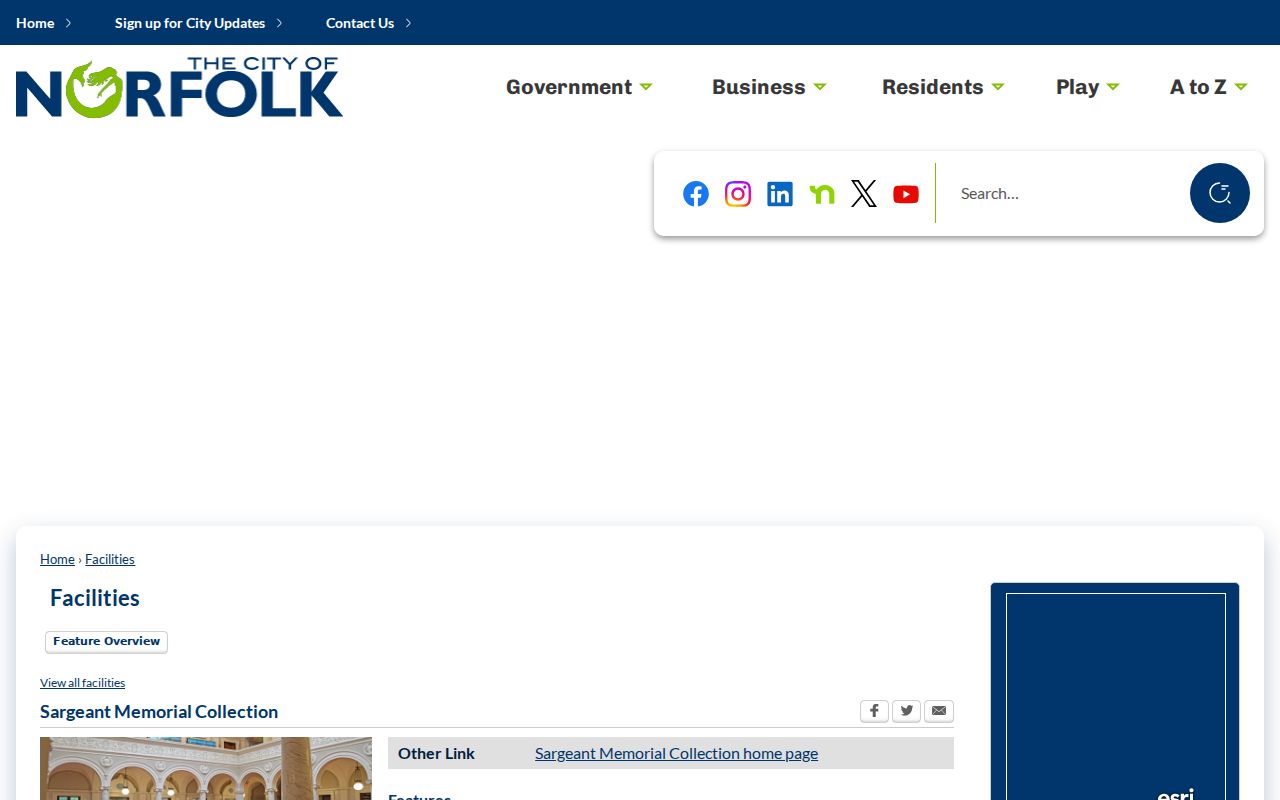
Treat archival clues as leads, not substitutes. They help you find the right deed reference in Norfolk records. The recorded instrument itself remains the proof. For a separate, more recent identity lead, the Virginia Department of Corrections locator accepts the first three letters of a first name plus a full last name, or a DOC ID. The state notes its data updates daily but may be inaccurate or outdated.
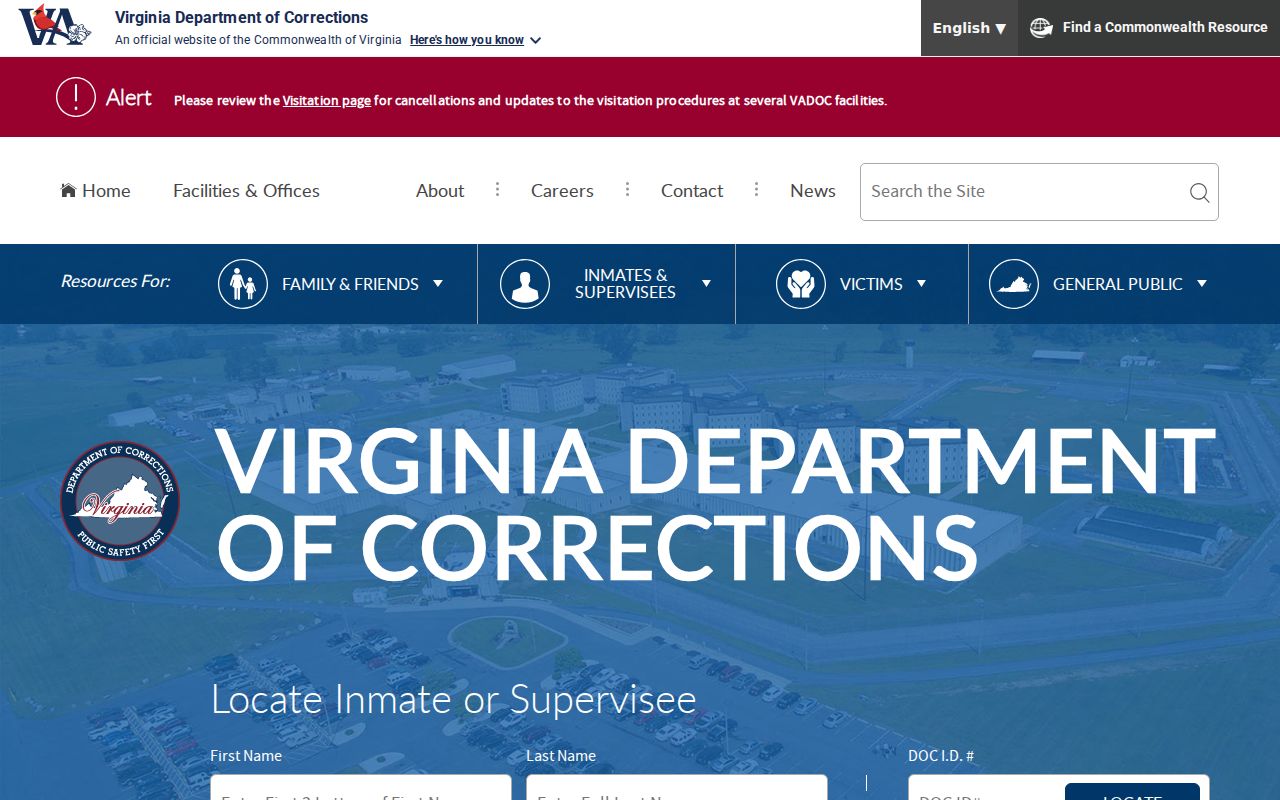
A locator hit proves nothing about land. Ownership changes in Norfolk still require a recorded deed or court instrument.
Norfolk Transfer Amounts Need Deed Context
A deed may state a consideration amount. That figure does not always reflect ordinary market value. Norfolk's assessment-sales analysis screens out same-surname or family transfers, gifts, exchanges, deed-of-trust instruments, forced sales, partial conveyances, short sales, foreclosure or post-foreclosure transfers, and cemetery lots. For former-owner research, these documents still matter because each records a real event. Just resist treating the amount as proof of an arm's-length sale or of a parcel's past market value.
Before interpreting any transaction, record the deed type, grantor, grantee, date, and legal description. A release or mortgage can appear in the index. Neither shows the same transfer a deed does. A special commissioner conveyance or estate deed may explain a name change without any ordinary purchase price. Chain reconstruction links instruments to one parcel. It does not assign a value to every transfer.
How Far Back Norfolk City Ownership Records Reach
Norfolk's ownership paper trail runs deep. The Clerk's published remote inventory begins deeds and land records in 1784, and a separate notice says the ongoing import includes images dating to 1682. Other recorded categories start later: land books in 1881, wills and fiduciaries in 1894, and chancery and civil files in 1833. A gap in a web index proves nothing. Ask the Clerk or the Library of Virginia how to reach the relevant book or microfilm.
Time-depth note. Treat 1784 as the published remote inventory start and 1682 as an image-import statement. Confirm actual indexing before drawing a conclusion about an earlier Norfolk owner.